

Health & Wellness with Hemp
How to Create a Home Spa Experience – Relax, Renew, and Rejuvenate
How to Create a Home Spa Experience Transform your bathroom into a sanctuary and enhance your spa routine with CBD
This past week has been one of the most confusing and emotional moments since we started Hempexco. As a pharmacist and formulator, I’ve always believed in hemp’s potential to help people feel better naturally, gently, and responsibly. But in early October, Ohio Governor Mike DeWine signed an executive order that threatened to erase nearly everything the hemp wellness industry has worked to build.
The Ohio Hemp Ban imposed a 90-day emergency restriction on hemp-derived products containing more than 0.5 milligrams of THC per serving or 2 milligrams per package. To put that in perspective, those limits would eliminate nearly 80% of the products in my inventory, not just in smoke shops or convenience stores, but also in wellness-focused businesses like ours.
Then, just as quickly as the order appeared, a Franklin County judge issued a temporary restraining order, pausing the Ohio Hemp Ban for 14 days while the courts review its legality.
Source: 13abc News
For many of us in the hemp space, that ruling wasn’t just a legal technicality. It was a moment to breathe again, at least for now.
Governor DeWine said the order was designed to stop the sale of “intoxicating hemp products.” The language focused on public safety, minors, and products that resemble cannabis. On paper, that may sound like a reasonable precaution. After all, no one in this industry wants mislabeled or unsafe products circulating in stores.
But the way the Ohio Hemp Ban was written went far beyond that intention. The imposed limits—0.5mg of THC per serving and 2mg per package—were so strict that even some full-spectrum CBD tinctures, topicals, and balms (which contain only trace, non-intoxicating cannabinoids) would have suddenly become illegal to sell.
In effect, the order didn’t just target “intoxicating” hemp. It targeted nearly all hemp.
When the news broke, panic spread quickly across Ohio’s hemp community. Retailers began pulling products from shelves, halting orders, and contacting suppliers in disbelief. Some estimated they would lose up to three-quarters of their inventory overnight.
At Hempexco, I immediately began reviewing every formula we make. I inspected every balm, oil, and lab-tested batch we’ve designed for wellness, not intoxication. Most of our products would not have met the new limit. Yet none of them are designed to make anyone “high.”
They’re designed to help people; to soothe inflammation, calm the mind, and restore balance.
And to be clear, I have nothing against people who use THC to experience euphoria. In fact, the use of THC to feel high is arguably safer than alcohol. But consumers deserve transparency, to know what they’re purchasing and what effect to expect. Unfortunately, the Ohio Hemp Ban doesn’t fix that problem either.
Governor DeWine framed the order as a public safety measure, pointing to hemp-derived intoxicating cannabinoids like Delta-8 THC being sold in confusing or misleading ways. There’s truth in that. The hemp industry has seen its share of bad actors.
But the Ohio Hemp Ban failed to recognize the difference between reckless sellers and responsible wellness formulators. Many of us have built businesses based on transparency, quality control, and good science.
Under the 2018 Farm Bill, hemp is defined as cannabis containing less than 0.3% Delta-9 THC by dry weight. That’s the foundation of our work. The law didn’t account for the later development of semi-synthetic cannabinoids like Delta-8, and that’s where the confusion began.
But to lump all hemp products into the “intoxicating” category misses the point entirely. The ban didn’t just affect unregulated vapes or gummies at gas stations. It hit pharmacists, herbalists, and wellness professionals who’ve spent years formulating products for genuine health benefits.
The Ohio Hemp Ban doesn’t solve the problem. It simply punishes those who’ve been doing it right from the start.
Thankfully, several hemp retailers and distributors stepped forward and filed a lawsuit challenging the executive order. They argued that the Ohio Hemp Ban was unconstitutional and exceeded the governor’s authority—and they were right to do so.
On October 15, just one day before the ban was set to take effect, Franklin County Judge Mark Serrott issued a temporary restraining order (TRO), halting the ban for 14 days while the case moves forward.
That TRO doesn’t resolve the matter permanently, but for now, it means we can keep our shelves stocked and continue serving our community. It means small businesses can pay their employees and stay afloat, and that the court has time to decide whether the Ohio Hemp Ban was even lawful in the first place.
Judge Serrott’s decision reflects something simple yet vital: fairness. That people deserve the chance to defend their livelihoods before they’re dismantled overnight.
For those of us in this industry, that sense of balance means everything.
This fight isn’t just about milligrams or THC limits. It’s about how we define hemp, and who gets to decide what responsible hemp wellness looks like.
Ohio’s hemp community is not a shadow market. It’s made up of family-owned companies, pharmacists, farmers, and small business owners who care deeply about helping people feel better naturally. We test our products, educate our customers, and follow the law. Yet we’re still the ones fighting to be understood.
Under the proposed limits, even hemp lotions or bath products with trace cannabinoids could have been banned. These are items incapable of causing intoxication. They are using a chainsaw when a scalpel will due.
If the true goal is public safety, then the solution is not an outright Ohio Hemp Ban. It’s better enforcement of labeling laws, mandatory lab testing, and clear rules separating intoxicating synthetics from legitimate hemp wellness products.
Hemp isn’t just another ingredient. It represents balance. A bridge between nature and science, between plant-based wellness and evidence-backed care.
As a pharmacist, I’ve seen hemp support people dealing with anxiety, pain, and sleep issues. It’s not a cure-all, but it’s an incredible tool when used responsibly. That’s why this ban felt so personal. It wasn’t just about losing products. It was about erasing years of education, research, and trust built with customers who rely on hemp every day.
At Hempexco, our mission has always been to bring hemp into the wellness world responsibly; through precision formulations, rigorous testing, and honest communication. That’s why the Ohio Hemp Ban felt like a blow to more than just business. It struck at the heart of what we stand for: balance and care.
Ohio’s situation isn’t isolated. Across the U.S., states are struggling to regulate hemp-derived cannabinoids under the framework of the 2018 Farm Bill. Some have banned Delta-8 and similar compounds entirely, while others are developing systems to differentiate between wellness products and intoxicating ones.
The Ohio Hemp Ban could become a pivotal case in shaping how states approach hemp regulation in 2025 and beyond. It’s not about being “pro” or “anti” hemp. It’s about finding the balance between safety, science, and the survival of small businesses.
Without consistent federal guidance, the patchwork of state laws only fuels confusion—for consumers, business owners, and regulators alike.
For those of us who pour our hearts into this work, the Ohio Hemp Ban hit hard. Customers have reached out, anxious that the products they depend on might disappear. Retail partners are unsure how to reassure their communities. Team members worry about what comes next.
This isn’t just commerce. It’s care. We’re here because we believe in hemp’s ability to help people live healthier, calmer lives. That’s what makes these policy swings so personal.
Even amid uncertainty, there’s resilience. Ohio’s hemp community is strong, collaborative, and deeply committed to doing things the right way. Many of us remain hopeful that this temporary pause will lead to a fair, science-driven solution.
The temporary restraining order on the Ohio Hemp Ban lasts 14 days. During that time, the courts will decide whether to extend the pause or allow the ban to move forward. The outcome will determine not just our shelves, but the direction of hemp wellness in Ohio.
Regardless of what happens, one thing is certain: this conversation has changed. Lawmakers are being forced to recognize that hemp isn’t a loophole. It’s a legitimate agricultural and wellness product that supports thousands of jobs and improves lives.
My hope is that we move toward smarter regulation, one that distinguishes between intoxicating synthetics and true hemp wellness. One that protects consumers without punishing responsible business owners.
In a way, the pause on the Ohio Hemp Ban isn’t just a legal ruling. It’s a call for reflection. A reminder to slow down, think clearly, and regulate thoughtfully.
Hemp has come a long way since its legalization under the 2018 Farm Bill. It’s time our laws caught up with the science and the people behind it.
For now, our shelves remain stocked, our lab keeps testing, and our customers can still access the products they trust. The work continues carefully, quietly, and always with purpose: to bring wellness through hemp, responsibly.

How to Create a Home Spa Experience Transform your bathroom into a sanctuary and enhance your spa routine with CBD
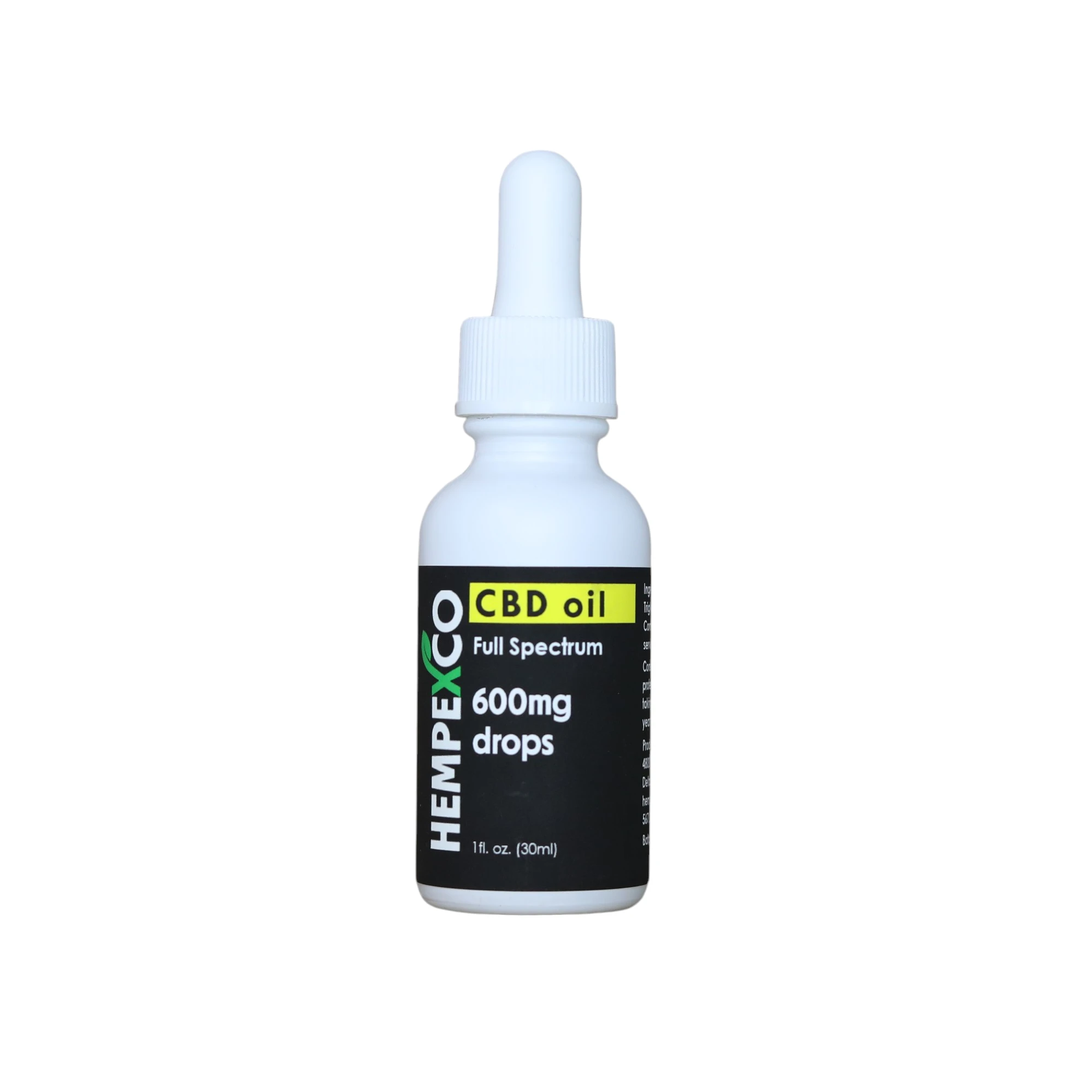
Benefits of Full Spectrum CBD Oil What is Full Spectrum CBD Oil? Full spectrum CBD oil contains all cannabinoids, terpenes,